
Flashing Repair in Caldwell, ID
Failed flashing is one of the most common reasons roofs leak. We find the real water entry point and repair the flashing the right way, not just cover it with sealant.
Call Now for Flashing RepairFlashing Repair in Caldwell, ID means inspecting the metal flashing that seals roof joints, finding where it has loosened, bent, rusted, or separated, and repairing or replacing it so water runs off the roof instead of into it. Localized damage often needs only the affected section replaced. Call (208) 943 9775 for an inspection.
Flashing sits where roofing is most vulnerable: around chimneys, skylights, vents, walls, valleys, and roof edges. When it fails, water reaches the underlayment, roof deck, and attic. Our team at 520 Laurel St, Caldwell, ID 83605 inspects the flashing, checks the surrounding roofing, and explains exactly what needs to be fixed.
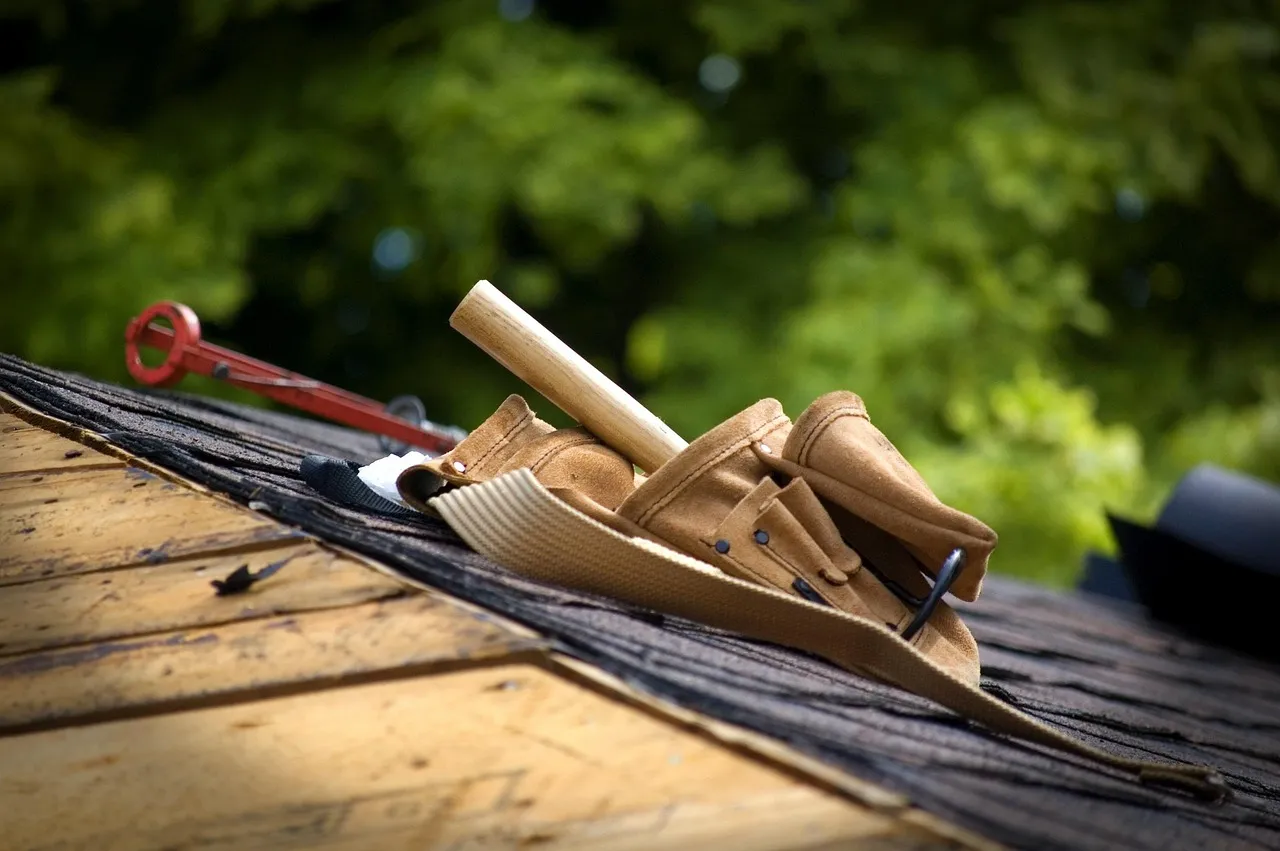
Roof Flashing Repair in Caldwell
Roof flashing repair is the process of securing, resealing, or replacing the thin metal pieces that direct water away from roof intersections and penetrations. A proper repair starts with an inspection of the flashing joints, seams, edges, and fasteners, then extends to the shingles, underlayment, and roof deck nearby.
Many homeowners assume a leak means shingle problems. In practice, a leak near a chimney, wall, vent, or skylight often traces back to flashing. Our roof repair services cover both.
What is Roof Flashing?
Roof flashing is a strip of metal, usually galvanized steel, aluminum, or copper, installed at joints and edges to redirect water away from vulnerable areas. Shingles shed water across flat surfaces. Flashing handles the places where the roof changes direction, meets a wall, or is pierced by a pipe or chimney.
Because it protects roof to wall connections and penetrations, flashing is small but critical. A damaged piece can let moisture into the roofing system for months before a stain appears inside.
Common Roof Flashing Problems
- Loose flashing. Fasteners back out or the metal lifts in wind.
- Bent flashing. Impact, snow, or foot traffic leaves gaps that channel water under shingles.
- Rust and corrosion. Moisture and age eat through metal and leave holes.
- Failed sealant. Cracked or dried out sealant opens joints.
- Separated joints. Seams pull apart as the roof expands and contracts.
- Exposed or damaged fasteners. Missing or rusted nails allow water to follow them into the deck.
Types of Flashing We Inspect and Repair
Step Flashing and Counter Flashing
Step flashing is installed in layers where a sloped roof meets a wall. Counter flashing overlaps it from above to block water at the top edge. Together they form the main defense at roof to wall transitions.
Chimney Flashing
Chimneys need base flashing, step flashing, and counter flashing. Leaking chimney flashing is one of the most common sources of ceiling stains near fireplaces.
Valley Flashing
Valleys carry heavy runoff. Damaged valley flashing can send water beneath shingles during rain or snowmelt.
Skylight Flashing
A skylight leak often comes from failed flashing or sealant around the frame rather than the glass.
Pipe and Vent Flashing
Pipe flashing and vent flashing seal roof penetrations. Cracked pipe boots and loose vent flashing let water run down the pipe into the attic.
Drip Edge
Drip edge flashing guides water off the roof edge and into the gutter. Damaged drip edge can allow water behind fascia and under the first shingle course.
Signs Your Roof Flashing May Be Leaking
- Ceiling or wall water stains near chimneys, walls, or skylights
- Leaks that appear during rain or after storms
- Wet insulation or attic moisture
- Visible rust, gaps, or lifted metal
- Cracked sealant or exposed fasteners
- Shingles lifting or staining beside flashing
Common Causes of Flashing Leaks
Age and corrosion are the most common causes, followed by poor original installation, such as flashing that was not properly overlapped. Storm damage, thermal movement, and failed sealant are also frequent. Debris buildup in valleys and behind chimneys can hold water against the metal and speed up deterioration.
How Flashing Repair Works
- Inspection. We inspect roof flashing, penetrations, and roof intersections, and the attic when accessible.
- Leak source identification. We trace water to its entry point. It is not always directly above the stain.
- Flashing assessment. We check joints, seams, fasteners, and sealant condition.
- Surrounding roof inspection. We evaluate shingles, underlayment, and roof deck for moisture and wood rot.
- Repair or replacement. We remove damaged material, install replacement flashing with proper overlap, and secure it with appropriate fasteners.
- Final water management check. We confirm water now flows off the roof as intended.
Applying sealant over visibly damaged flashing may provide temporary protection, but it does not correct the underlying failure. We use sealant to complement a proper repair, not replace it.
Flashing Repair vs. Replacement
Repair is appropriate when damage is localized, such as a loose section, a failed sealant joint, or a small bent area. Replacement is better when the metal is corroded, cracked, or deteriorated, when leaks keep recurring, or when the flashing was installed incorrectly.
The decision also depends on surrounding shingles, underlayment, and roof deck condition, along with roof age and remaining roof life. Flashing can usually be replaced without replacing the entire roof. If shingles beside it are damaged, see our shingle repair and replacement page, and if water is already coming in, our roof leak repair in Caldwell page explains the process.
Flashing Repair Cost in Caldwell
The cost of Flashing Repair in Caldwell, ID depends on what the inspection finds, so we do not quote prices blind. The main factors are:
- Flashing type and how much requires replacement
- Extent of damage
- Roof accessibility and slope
- Condition of surrounding shingles and underlayment
- Roof deck condition
You receive a clear estimate before work begins.
Caldwell Weather and Roof Flashing
Flashing Repair in Caldwell, ID is often driven by Treasure Valley weather. Summer heat and UV exposure dry out sealant. Winter freezing temperatures, snow, and ice create freeze thaw cycles that loosen joints. Strong winds can lift metal edges, and seasonal storms and heavy rain test every seam. Temperature fluctuations make metal expand and contract, which gradually opens joints and loosens fasteners.
An inspection after major storms and regular roof maintenance help catch flashing problems early.
Areas We Serve
We repair flashing for Caldwell homeowners in these neighborhoods:
FAQs About Roof Flashing Repair
What is roof flashing and what does it do?
Roof flashing is metal installed at roof joints and penetrations to direct water away from vulnerable areas.
What causes roof flashing to leak?
Corrosion, loose or bent metal, failed sealant, separated seams, storm damage, and poor installation.
How can I tell if my roof flashing is damaged?
Look for rust, gaps, lifted metal, cracked sealant, and stains near chimneys, walls, or skylights.
Can damaged roof flashing be repaired?
Yes. Localized damage can often be repaired or the affected section replaced. Corroded or failed flashing is usually replaced.
When should roof flashing be replaced?
When it is rusted through, cracked, badly bent, repeatedly leaking, or incorrectly installed.
Can bad flashing cause a roof leak?
Yes. Damaged flashing is a leading cause of roof leaks and ceiling stains.
How much does flashing repair cost in Caldwell?
It depends on flashing type, extent of damage, access, and underlying roof condition. Flashing Repair in Caldwell, ID is priced after inspection.
Can flashing be replaced without replacing the entire roof?
Usually yes, provided the surrounding roofing is in good condition.
How long does roof flashing repair take?
Many repairs take a few hours. Chimney or multiple area work takes longer.
Need Flashing Repair in Caldwell, ID?
Do not let failed flashing turn into water damage. Call our local roofing team for an inspection and an honest recommendation.
Call Now for Flashing Repair+1 (208) 943 9775 | 520 Laurel St, Caldwell, ID 83605, USA